




In e-commerce, logistics is the most tangible touchpoint of the customer experience. No matter how high the product quality, delayed, damaged, or incorrect deliveries severely reduce customer satisfaction. 78% of online shoppers in Turkey state that the shipping experience directly influences their decision to repurchase.
Core Components of E-Commerce Logistics
Warehouse Management (WMS)
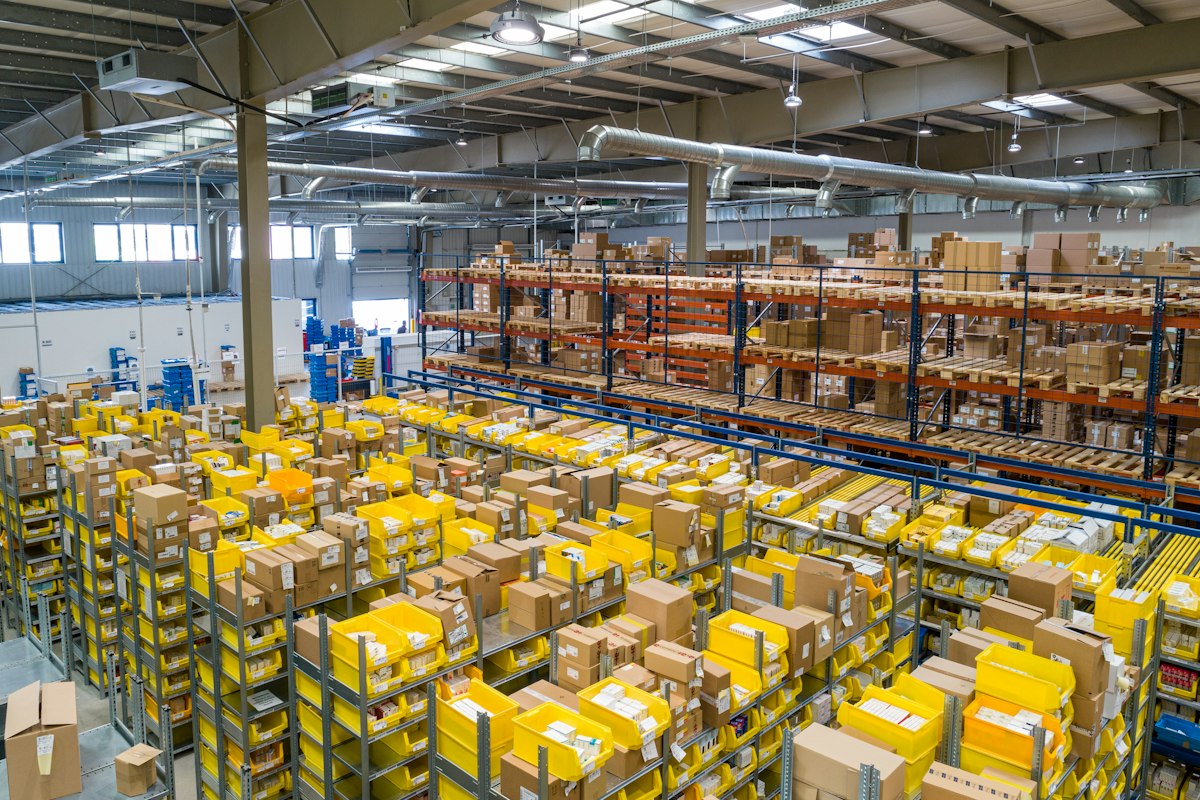
Efficient warehouse operations form the foundation of fast and accurate delivery. Modern Warehouse Management System (WMS) solutions provide:
- Location-based inventory tracking: Real-time tracking of every product’s position in the warehouse
- Pick-pack-ship optimization: Order picking route optimization
- Barcode/RFID integration: Error-free product identification and dispatch
- Batch picking: Collecting multiple orders simultaneously
- Stock counting: Periodic and cycle count management
Last-Mile Delivery
Last-mile delivery, the largest cost component of logistics, is also the stage that most impacts customer experience:
| Delivery Method | Timeframe | Cost | Customer Preference |
|---|---|---|---|
| Standard Shipping | 2-4 business days | $1-2 | 45% |
| Express Delivery | Next day | $2-3 | 30% |
| Same Day | 3-6 hours | $3-5 | 15% |
| Pickup Point | 2-3 business days | $0.70-1.20 | 10% |
Shipping Cost Optimization
Shipping costs are one of the largest expense items for e-commerce businesses. You can optimize costs with the following strategies:
- Multi-carrier agreements: Don’t depend on a single carrier — work with at least 3 shipping companies
- Volume-based pricing: Consolidate your monthly shipment volume to negotiate discounts
- Dimensional weight optimization: Choose packaging sizes appropriate to the product to reduce dimensional weight costs
- Regional warehousing: Position warehouses near regions with the highest order density
- Shipping aggregators: Automatically select the most cost-effective carrier through automated price comparison
Reverse Logistics (Returns Management)
E-commerce return rates average between 15-30%, and managing the return process is critical for customer loyalty.
- Offer an easy return policy (free return labels)
- Analyze return reasons to address root causes
- Fast return processing: refund within 3 business days
- Encourage exchanges instead of returns
Rate of customers who shop again from e-commerce sites that offer easy returns
Source: UPS Pulse of the Online Shopper, 2025
Fulfillment Models
In-house Fulfillment
Managing your own warehouse and logistics operations provides control and cost advantages but brings operational burden. An optimized warehouse operation becomes essential once you reach 50+ daily orders.
3PL (Third-Party Logistics)
Outsourcing logistics operations to a specialized firm allows the business to focus on its core competencies. It is an ideal solution particularly for businesses with seasonal fluctuations.
Dropshipping
Dropshipping — selling without holding inventory — is attractive for those wanting to start with low risk, but shipping time control and quality management are challenging.
Conclusion
Logistics optimization is the unsung hero of e-commerce success. Proper warehouse management, smart carrier selection, and effective return processes both reduce costs and increase customer satisfaction. At TAGUM, we help you digitize your e-commerce logistics processes end to end.