



DevOps is a set of cultural values, philosophies, and practices that unifies software development (Development) and IT operations (Operations). By bringing these two traditionally siloed disciplines together in a single continuous cycle, DevOps dramatically improves software delivery speed, quality, and reliability.
Why Did DevOps Emerge?
In traditional software organizations, the development team aims to push changes as quickly as possible, while the operations team prioritizes system stability. This conflict of interest results in slow and risky deployment processes.
Core Components of DevOps
1. Continuous Integration (CI)
The practice of developers merging code changes into the main branch multiple times a day, with automated tests running on every merge.
2. Continuous Delivery and Deployment (CD)
The process of automatically moving code changes through test, staging, and production environments.
3. Infrastructure as Code (IaC)
Defining and versioning server and network infrastructure as code using tools like Terraform and Ansible.
4. Monitoring and Observability
Continuously monitoring systems and detecting anomalies using tools like Prometheus, Grafana, and the ELK Stack.
DevOps Lifecycle
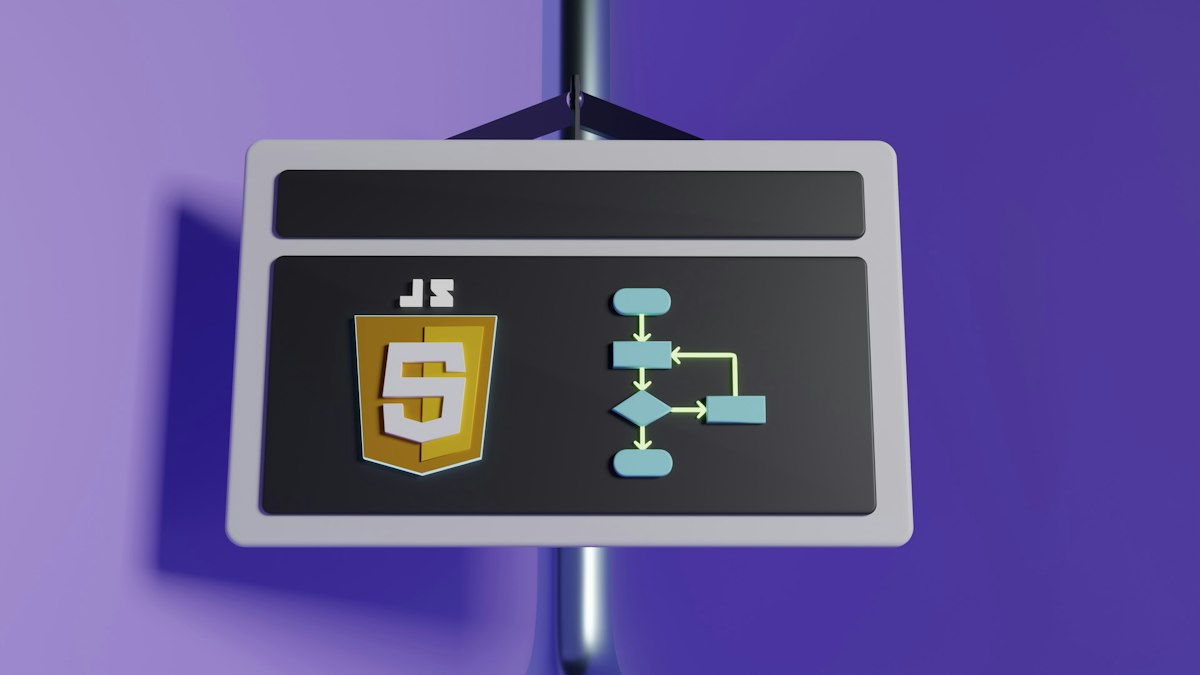
Plan → Code → Build → Test → Release → Deploy → Operate → Monitor → (repeat)
DevOps Tool Ecosystem
| Stage | Tools | Purpose |
|---|---|---|
| Version Control | Git, GitHub, GitLab | Code management |
| CI/CD | Jenkins, GitLab CI, GitHub Actions | Automation |
| Containers | Docker, Kubernetes | Packaging and orchestration |
| IaC | Terraform, Ansible, Pulumi | Infrastructure management |
| Monitoring | Prometheus, Grafana, Datadog | Observability |
DORA Metrics
- Deployment Frequency: How often is code deployed to production?
- Lead Time for Changes: How long does it take from commit to production?
- Change Failure Rate: What percentage of deployments cause incidents?
- Time to Restore Service: How quickly are incidents resolved?
Challenges in DevOps Transformation
- Cultural resistance: Breaking down silos between teams
- Skills gap: Requires both development and operations knowledge
- Tool complexity: Integrating numerous tools
- Security concerns: Balancing rapid deployment with security (DevSecOps)
- Legacy systems: Modernizing existing systems
At TAGUM, we actively use CI/CD pipelines in the development of our PratikEsnaf.Net and DeskTR platforms. We don’t view DevOps culture as merely a set of tools — we place team culture and the philosophy of continuous improvement at the center of this transformation.
Conclusion
DevOps is not a toolset — it is a cultural transformation. A successful DevOps implementation requires investment in people and processes just as much as in technology. Organizations should bring this transformation to life incrementally, starting with small wins.
→ Contact TAGUM for DevOps transformation and software process optimization