




Augmented reality (AR) and virtual reality (VR) are moving beyond the gaming and entertainment sectors to become indispensable tools for the business world. According to PwC’s research, AR/VR technologies will contribute $1.5 trillion to global GDP by 2030 and will be used across 23 million job roles.
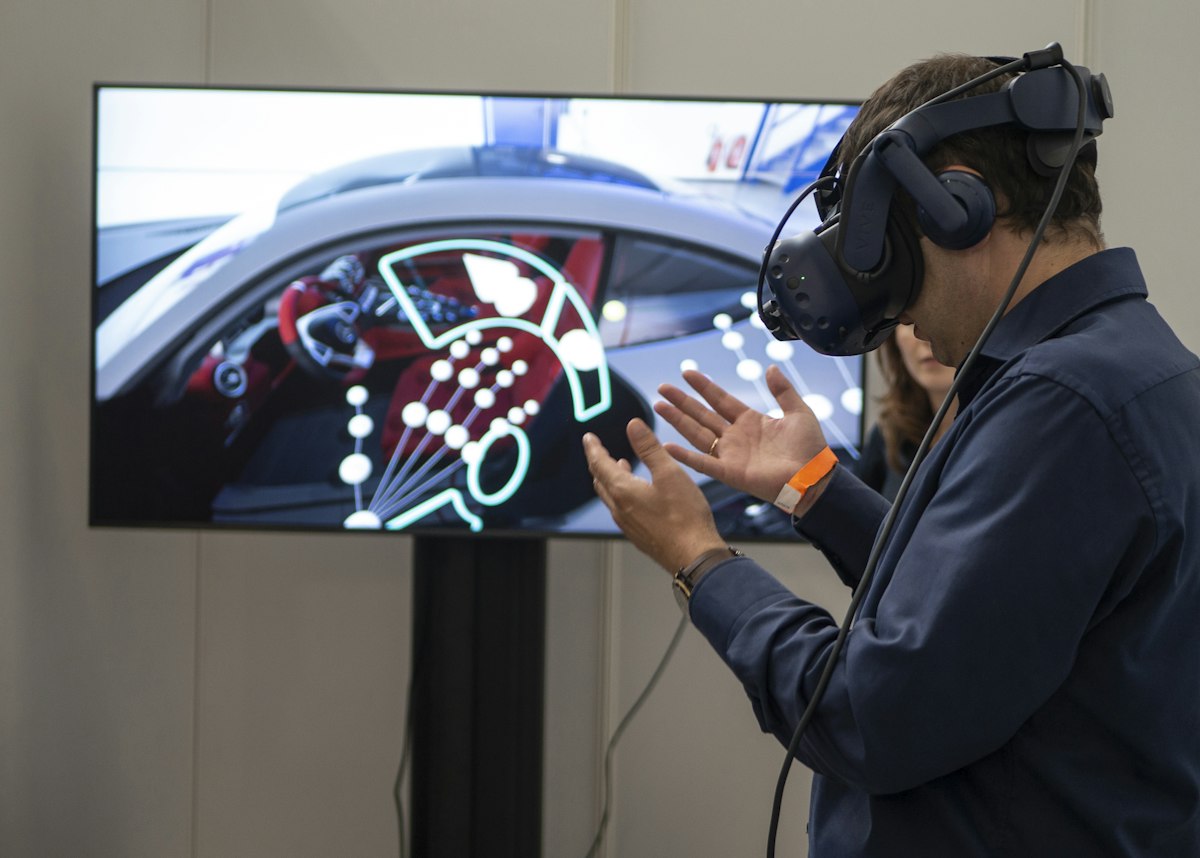
AR and VR: Key Differences
While both technologies offer immersive experiences, they differ in their operating principles and use cases.
Augmented Reality (AR)
- Adds a digital layer to the real world
- Experienced through cameras, phones, or glasses
- The user continues to see their physical environment
- Examples: IKEA Place, Google Maps AR
Virtual Reality (VR)
- Creates a completely virtual environment
- Experienced through a VR headset
- The user is fully isolated from the physical environment
- Examples: Meta Quest, HTC Vive
AR/VR Applications in the Business World
1. Training and Simulation
VR-based training programs enable employees to experience dangerous or costly scenarios in a safe environment. VR training is becoming widespread in the aviation, medical, energy, and manufacturing sectors. Research shows that employees trained with VR have a 75% higher knowledge retention rate compared to traditional methods.
2. Remote Technical Support
AR glasses enable field technicians to receive real-time visual guidance from experts during complex maintenance and repair operations. Our DeskTR customer support platform is taking technical support processes to a new level with AR-assisted remote help integrations.
3. Product Design and Prototyping
AR/VR enables designers to examine, test, and present products in a 3D environment without producing physical prototypes. This shortens the design cycle and significantly reduces costs.
4. Real Estate and Architecture
Virtual tour technology allows potential buyers to examine properties in detail without physically visiting them. Architectural projects can be experienced at life-size scale through VR, and design errors can be detected at an early stage.
5. Retail and E-Commerce
AR applications allow customers to try products in their own environment before purchasing. AR experiences such as furniture placement, clothing try-on, and makeup simulation reduce online shopping return rates by 25-40%. Our HemenBasla.Net e-commerce platform supports AR product experience integrations, enabling sellers to offer their customers a rich shopping experience.
AR/VR Investment Recommendations
Our recommendations for businesses considering investing in AR/VR technologies:
- Start small: Begin with an area that will deliver clear ROI, such as training or product presentations
- Think platform-agnostic: Browser-based solutions like WebAR eliminate the need for app downloads
- Invest in content quality: A poor-quality AR/VR experience can damage your brand
- Define measurement metrics: Track KPIs such as engagement time, completion rate, and user satisfaction
Looking Ahead: Mixed Reality (MR)
Mixed Reality (MR), the convergence of AR and VR, enables physical and digital objects to interact within the same environment. Devices like Apple Vision Pro and Meta Quest Pro have begun bringing MR experiences to broader audiences. In the business world, MR holds the potential to revolutionize design, collaboration, and remote work.
Get support from TAGUM’s experienced software team to integrate AR/VR technologies into your business processes and gain a competitive edge.