




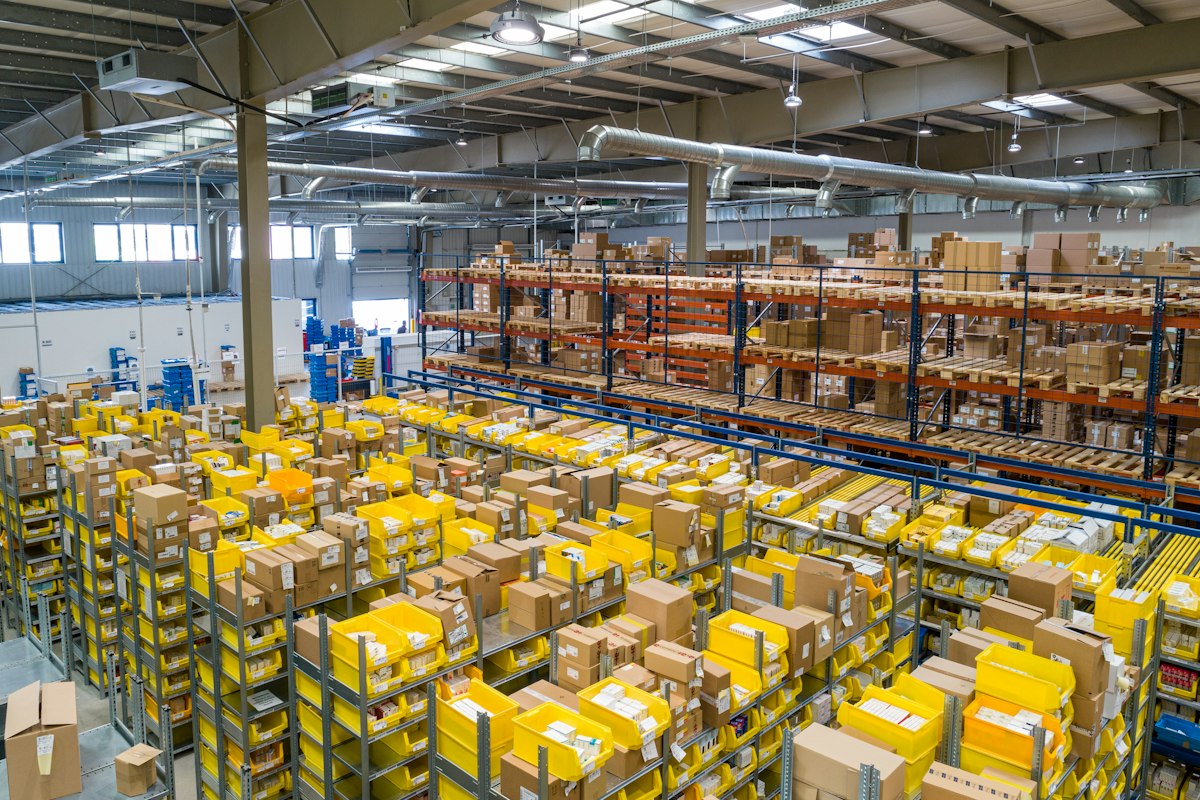
The global supply chain crises experienced during the pandemic demonstrated to the entire world just how critical and fragile this area is. Technology solutions in supply chain management increase visibility, reduce risks, optimize costs, and strengthen the capacity to meet customer expectations.
Supply Chain Technologies
| Technology | Application Area | Benefit |
|---|---|---|
| ERP | Integrated resource planning | End-to-end visibility |
| IoT | Real-time monitoring | Instant location and status tracking |
| AI/ML | Demand forecasting, optimization | Accurate predictions, cost reduction |
| Blockchain | Traceability, verification | Transparency, trust |
| RPA | Process automation | Efficiency, error reduction |
ERP: The Backbone of the Supply Chain
The ERP system is the digital backbone of the supply chain. It integrates procurement, inventory management, production planning, order management, and logistics processes. The PratikEsnaf.Net ERP solution enables SMEs to digitally manage their supply chain processes end-to-end.
Inventory Optimization
Maintaining the right inventory levels is critical for both customer satisfaction and cash flow. Excess inventory ties up capital, while insufficient inventory leads to lost sales. ERP inventory management modules optimize stock through minimum-maximum levels, reorder points, and ABC analysis.
Supplier Management
Supplier performance tracking, alternative supplier management, and supplier risk assessment are fundamental components of supply chain resilience.
E-Waybill and Digital Logistics
The e-waybill mandate in Turkey has accelerated the digitalization of shipment processes. The E-Fatura.Net platform manages e-waybill processes alongside e-invoicing, providing full digital integration into logistics operations.
E-Commerce and Supply Chain Integration
The HemenBasla.Net e-commerce platform holistically manages the e-commerce dimension of the supply chain, from order management to inventory tracking, cargo integration to invoicing processes.
Supply Chain Resilience
- Visibility: Ensure real-time data flow across all stages of the supply chain
- Diversification: Avoid single-supplier dependency; develop alternative sources
- Flexibility: Design processes that can quickly adapt to demand fluctuations
- Risk management: Prepare contingency plans for potential disruption scenarios
- Digital twin: Conduct scenario analyses with a digital simulation of the supply chain
Conclusion
Technology in supply chain management is the key to operational excellence. TAGUM’s integrated solution ecosystem provides digital support at every stage of the supply chain.